
Beyond the
Prompt.
From Visual Designer to AI-Assisted Product Builder
Three products. Three different challenges. One creative evolution.
What if the limitation no longer existed?
For over 20 years, I've worked as a visual designer, creating brand identities, digital experiences, websites, marketing campaigns and product interfaces.
I've spent much of my career bringing ideas to life visually. But when it came to building complex, functional digital products, there was always a point where my involvement depended on someone else's technical expertise.
In November 2026, I decided to explore what might happen if I combined two decades of creative experience with artificial intelligence, curiosity and a willingness to experiment.
The result was three very different digital products that went beyond static mockups, presentations and prototypes. They became real.
From designing to building.
My approach to AI goes beyond generating images or writing prompts. I wanted to explore how AI could become an extension of my creative process — a collaborative resource that could help me bridge the gap between design and development.
My role expanded to include product strategy, branding, user experience, feature architecture, AI-assisted development, testing, debugging, deployment and maintenance.
Using ChatGPT Plus and Claude Pro with the Opus model, I directed the creative vision, defined product requirements, evaluated results and made decisions throughout development. AI helped translate those decisions into working technology.
It wasn't always smooth. Things broke. Features didn't work as expected. Designs needed to be reconsidered. But every problem became another opportunity to learn.
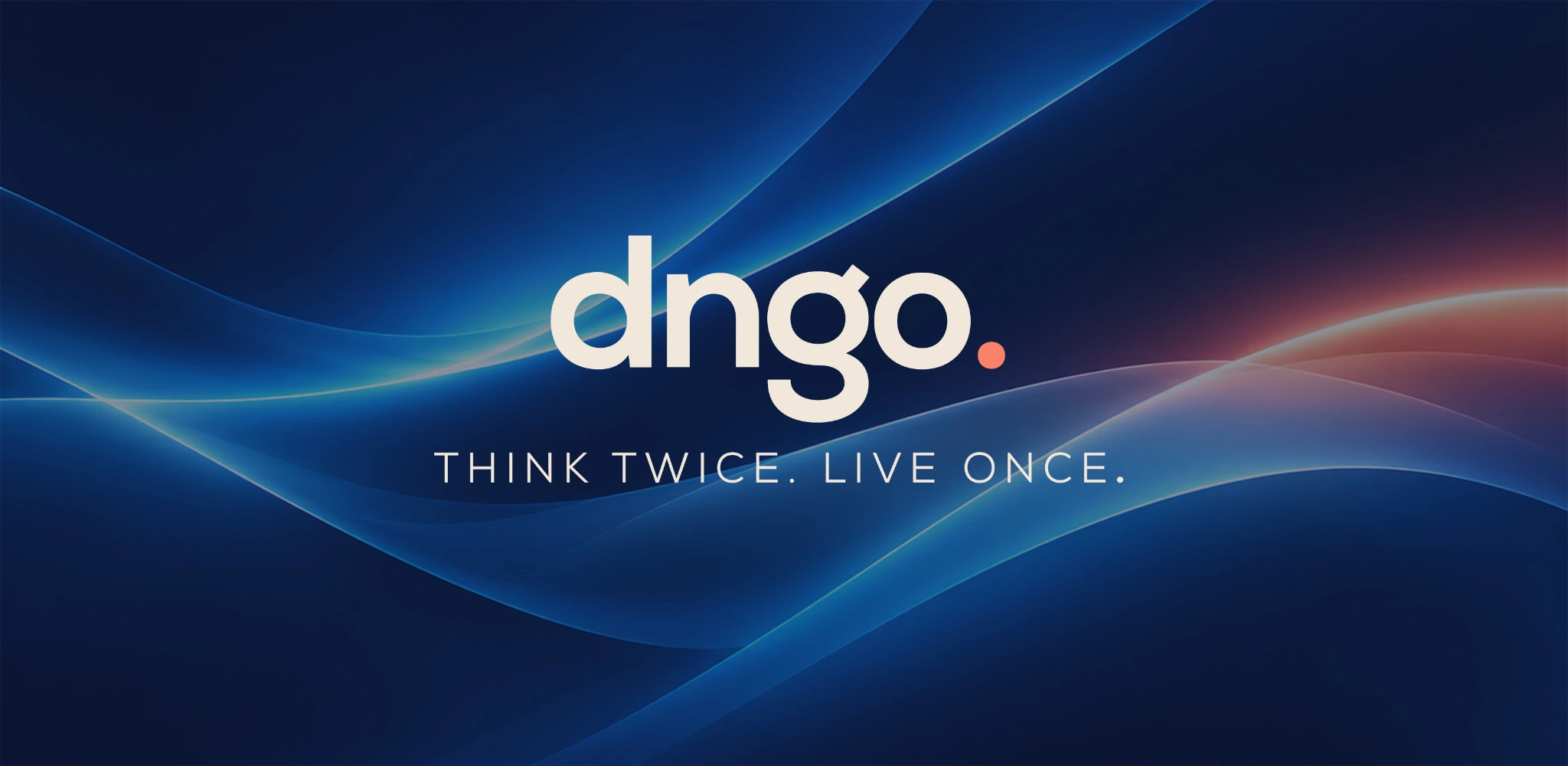
Think twice.
Live once.
An AI-powered Android keyboard designed to encourage more thoughtful everyday decisions.
DNGO began with a simple question: What if artificial intelligence could help us think twice before we act?
Rather than creating another standalone AI chatbot, I wanted to bring intelligent assistance directly into an experience people already use every day — their keyboard.
DNGO helps users reconsider messages, explore different perspectives, evaluate purchasing decisions and discover information without constantly switching applications.
The project introduced me to device testing, platform requirements and distribution through Google Play. I wasn't simply designing an application for someone else to build. I was actively involved in bringing it to life.
What if I built a game?
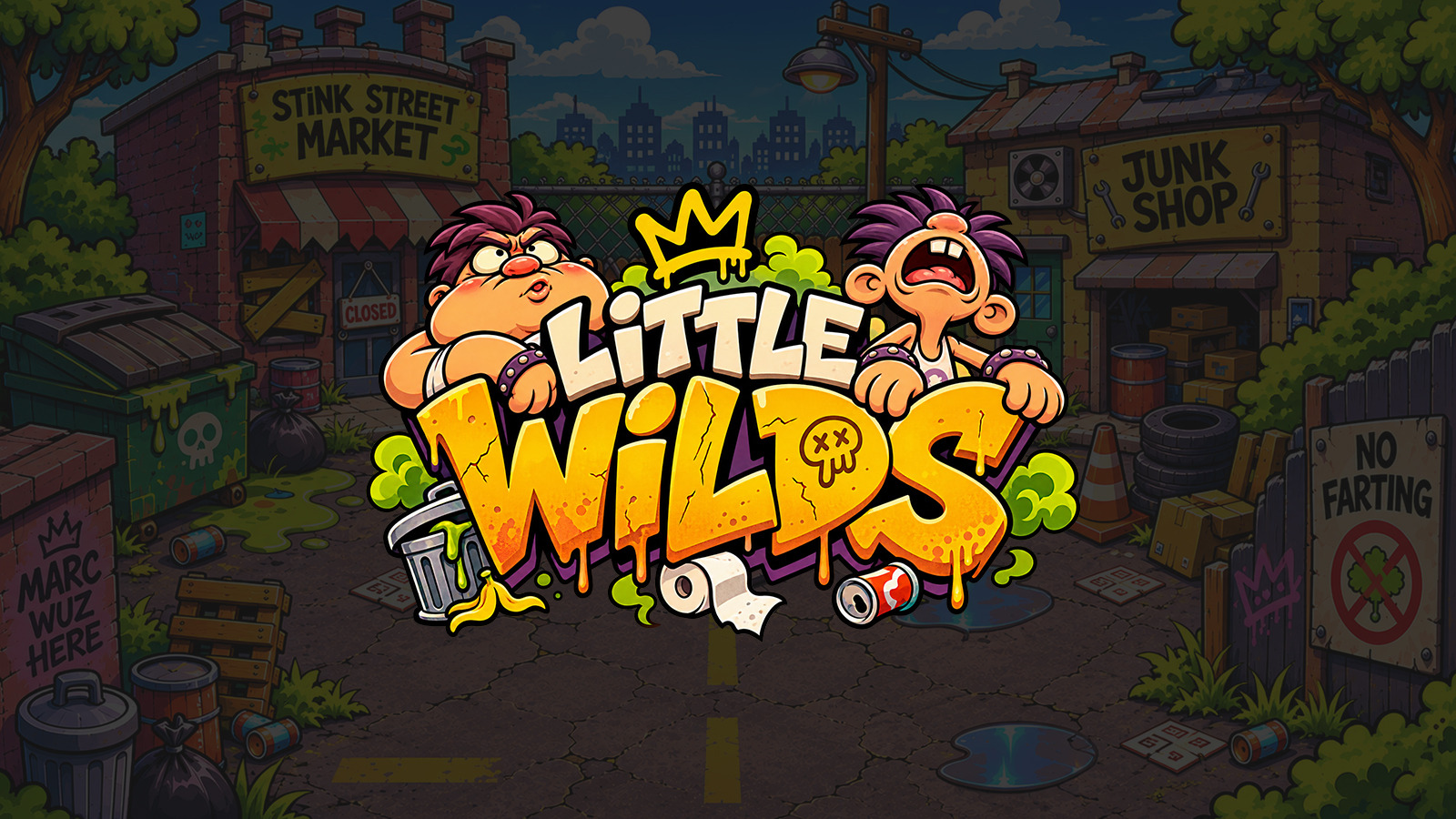
A playable, illustrated action game developed in six working days over eight calendar days.
I had never developed a complete video game before. Little Wilds started as a personal experiment using my background in visual design, AI-assisted development and the Godot game engine.
There was no development team, no elaborate production schedule and no expectation of commercial success. Just an idea and the desire to see how far I could take it.
A single moving character evolved into a playable game with illustrated characters and environments, boss transformations, combat mechanics, sound effects, mobile and desktop controls, Chaos Battle and an installable web app.
I worked through collision issues, animation sequences, difficulty balancing and feedback from actual players. Within six working days, Little Wilds went from an empty project to a publicly playable game. It even received its first five-star rating on itch.io.
But perhaps the most rewarding part was something I hadn't anticipated. I was having fun creating again.
Social media, reimagined.
Approximately eight months of conceptual development. Six days of web application development.
Originally conceived as a mobile social platform, Phresh was built around the belief that social media should feel more personal, enjoyable and authentic. Inspired by the simplicity of the '90s, it prioritizes smaller circles of friends and family, without advertising or the sale of personal data.
For months, I developed its visual identity, product philosophy, user experience and core features. In November 2026, with the support of my co-founder, I took on the challenge of building a web-based version through AI-assisted development.
Six days and 90 development commits later, Phresh had become a functional social platform.
- Invite-only membership and account management
- Krew — personal circles of friends and family
- The Drop — text, photo and video sharing
- Likes, comments and mentions
- The Beeper and 10-Second Voicemails
- Drama Bouncer™ — AI-assisted content filtering
- Vibes, privacy controls and content reporting
- Installable Progressive Web App functionality
Behind the interface were databases, authentication, security, content moderation, media storage, automated maintenance and deployment — areas that had traditionally existed outside my primary responsibilities.
By November 25, Phresh was live and welcoming its first invited beta members.

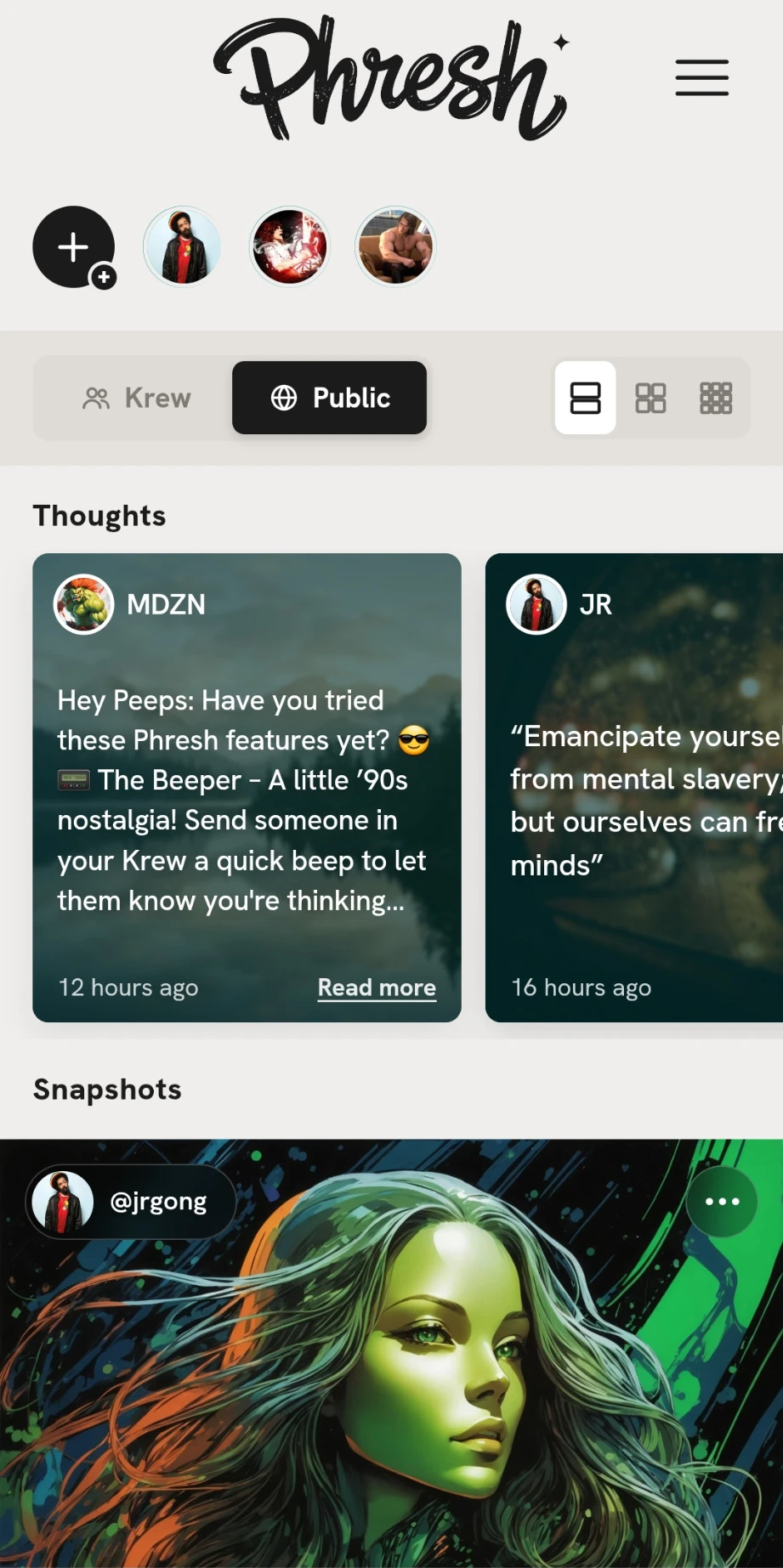
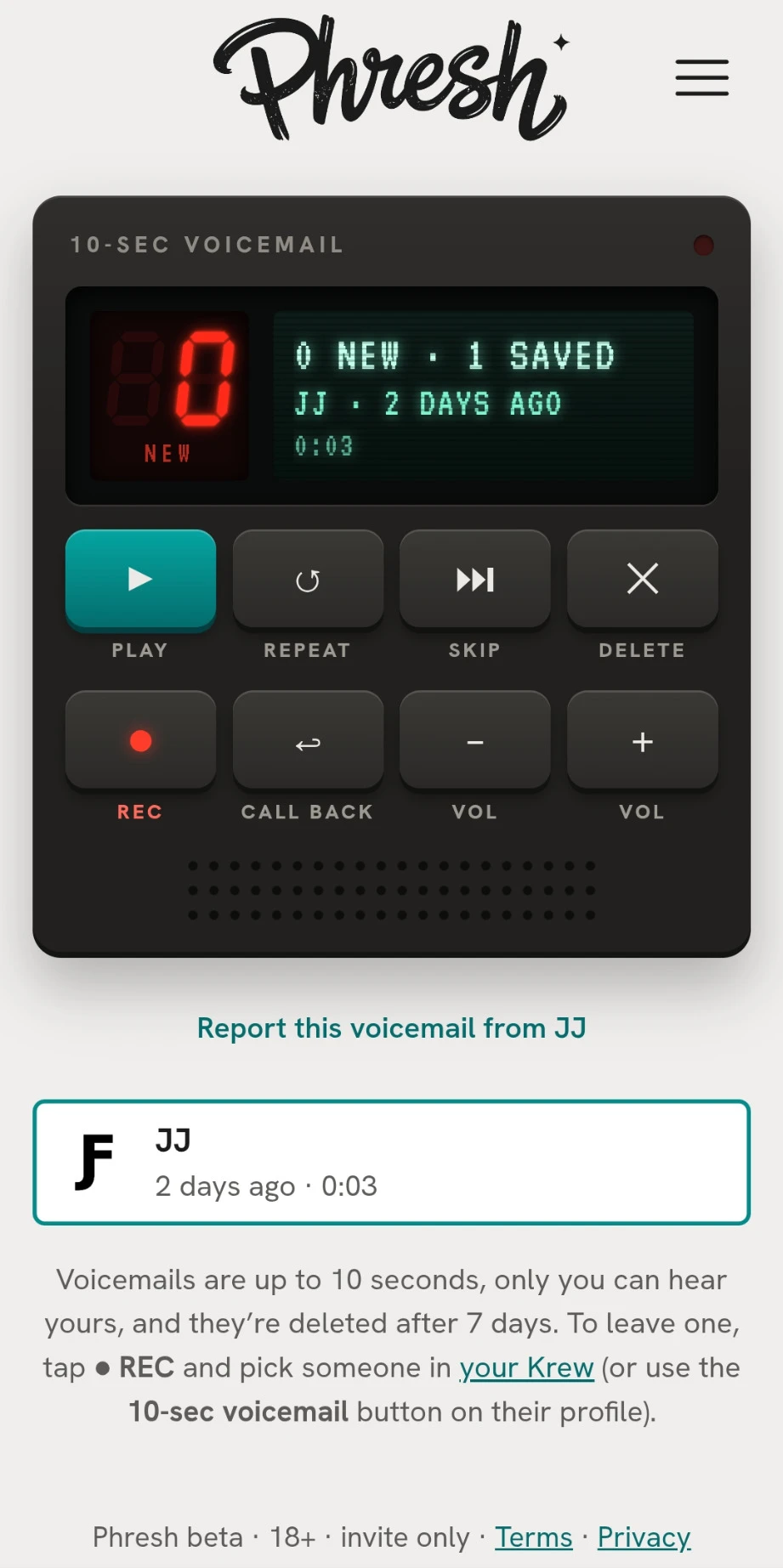
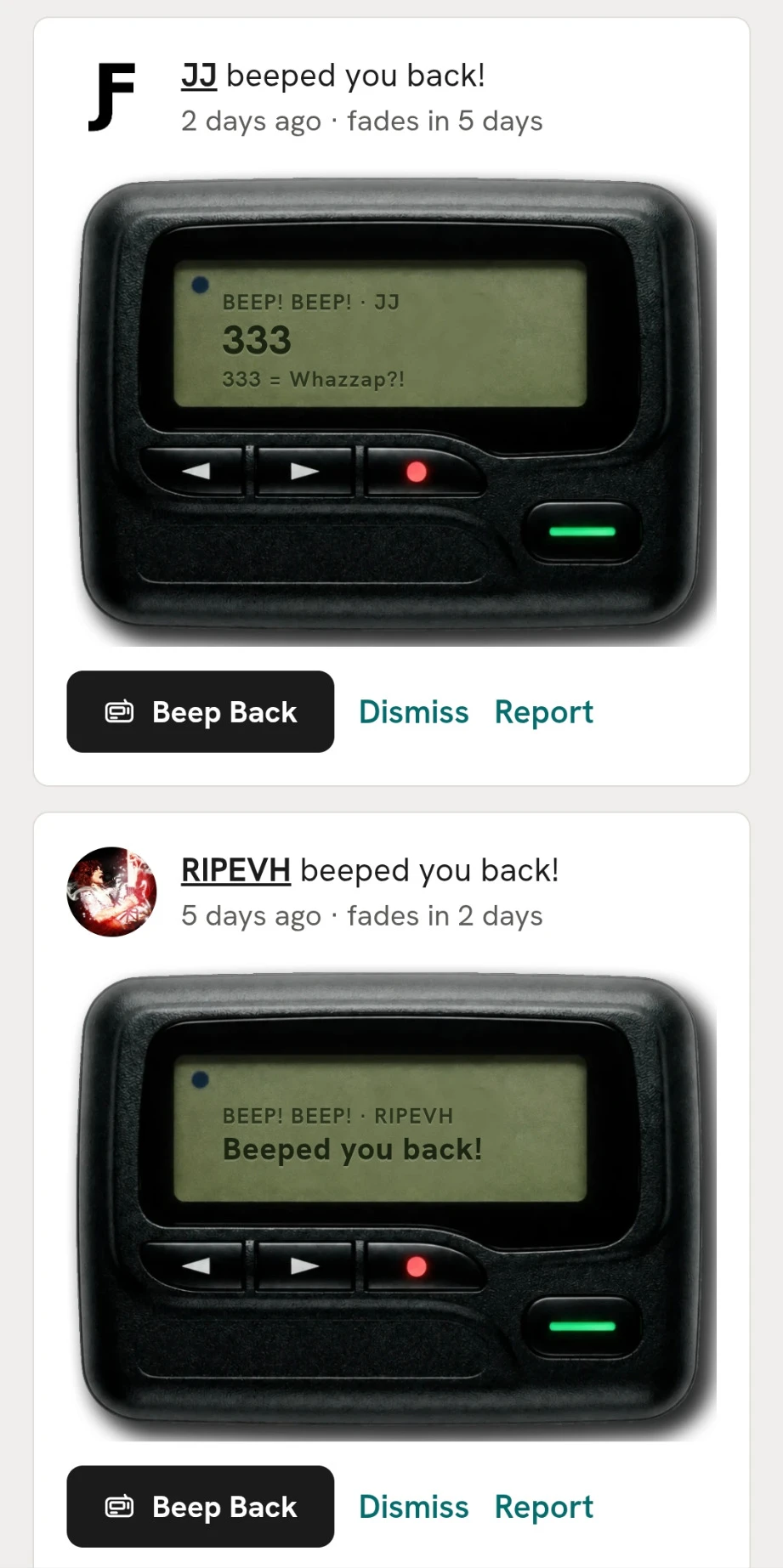
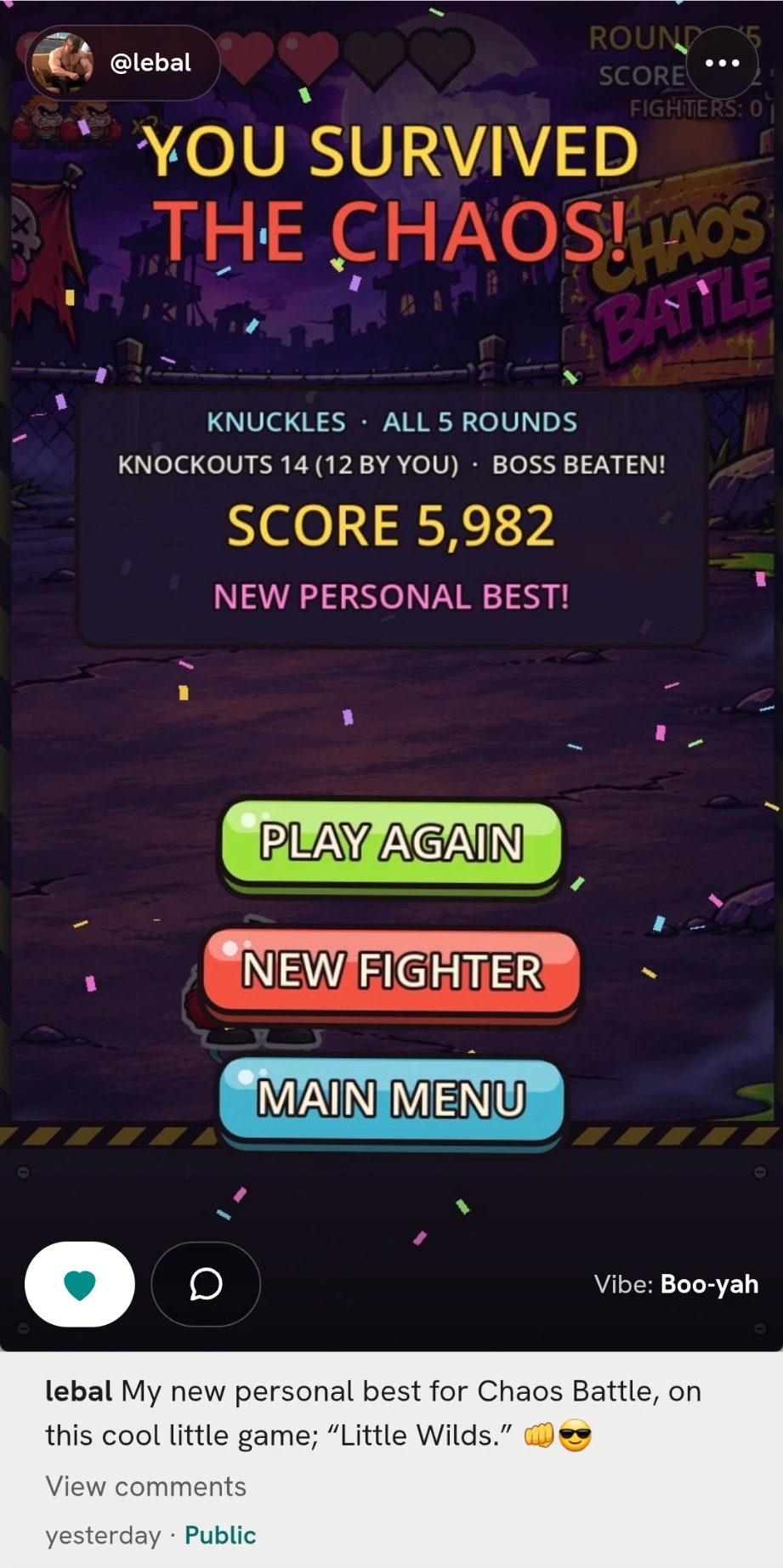
A beta member shared a Little Wilds personal best on Phresh — two projects coming together in a real moment of use. Screenshots captured November 26, 2026.
Ideas into reality.
These reported development milestones illustrate how the distance between an idea and a functional product can change when creative thinking is combined with new development tools. They do not suggest that AI eliminates the need for technical expertise.
AI is not a magic button.
Building these products required more than describing an idea and waiting for a finished result. There were broken features, unexpected bugs, design inconsistencies, deployment issues, security considerations and countless revisions.
AI sometimes misunderstood instructions. Sometimes the initial solution created another problem. Sometimes an idea that looked great visually didn't work particularly well in practice.
AI could help generate solutions. It was still my responsibility to determine whether those solutions served the product and its users.
I don't claim to have become a traditional software engineer overnight. These projects represent a different approach to product creation — one where creative direction, product thinking, technical curiosity and AI-assisted implementation work together.
The tools changed. The creative instinct didn't.
The most significant outcome wasn't the technology itself. It was the realization that my creative experience could extend much further than I had previously imagined.
I could design an interface and explore how it actually functioned. I could imagine a game mechanic and test it on my phone. I could conceptualize a social platform and invite real people to experience it.
After more than two decades in the creative industry, I found myself experiencing the same excitement that originally drew me to design: the excitement of starting with nothing, the satisfaction of solving a problem and the unexpected joy of watching an idea come to life.
Whether these products become commercially successful is not the measure of this experiment. The value is in what I learned, what I created and what I now know is possible.
I'm still a visual designer. But I'm no longer limited to the visual.
BUILD.
TEST.
LAUGH.
REPEAT.
The next chapter is already in development.