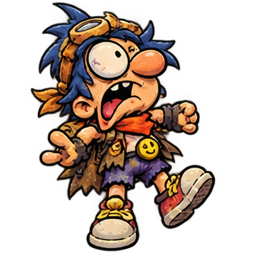
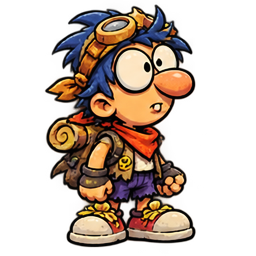
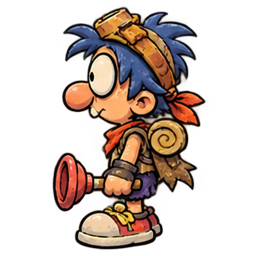
The Wanderer
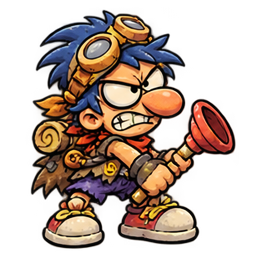
A scrappy adventurer with oversized boots, a red scarf, and a toilet plunger for a weapon.

A ridiculous little adventure.
One plunger-wielding wanderer. Two unlikely allies. And one adorable, extremely angry final boss.
Battle your way through Stink Street, turn bullies into buddies, and team up to take on Bramble. Play right here in your browser.
Use your keyboard on desktop or the touch controls on your phone. The game stays in its original portrait format.
A scrappy adventurer with oversized boots, a red scarf, and a toilet plunger for a weapon.
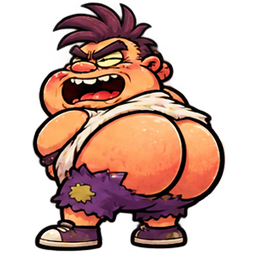
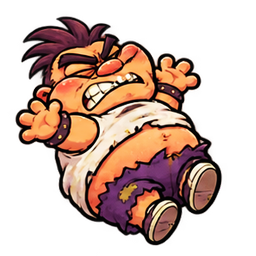
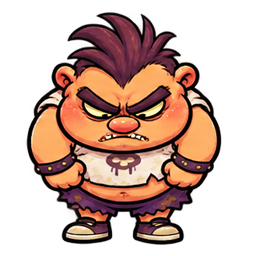
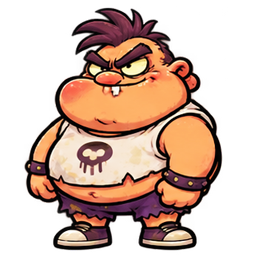
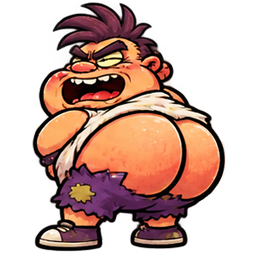
A grumpy, big-bellied bully with an unforgettable fart attack. Defeat him and he becomes your ally.
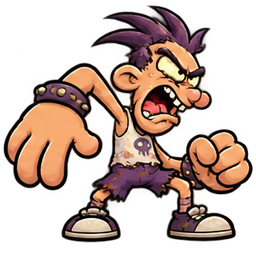
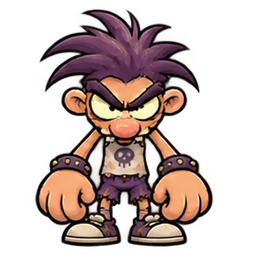
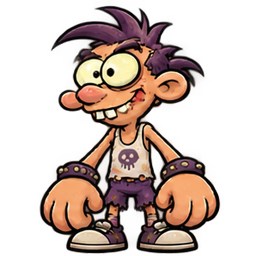
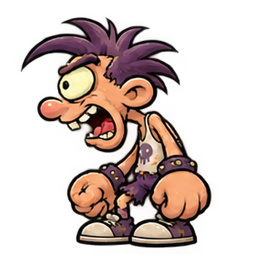
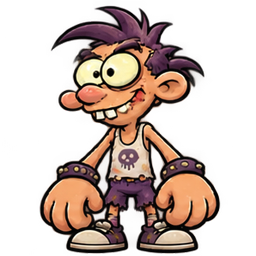
A troublemaker with enormous hands, a powerful slap, and surprisingly useful friendship skills.
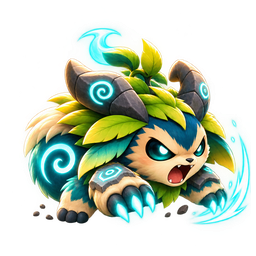
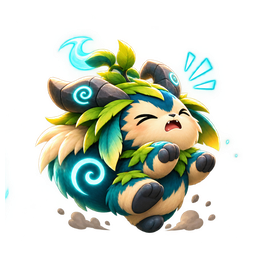
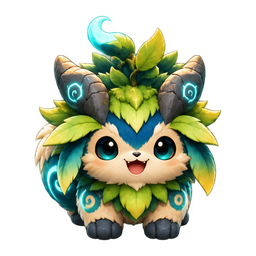
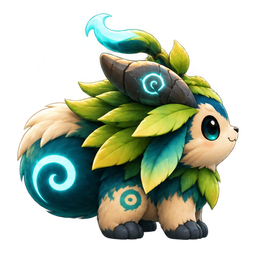
An adorable magical fluffball with a very bad temper. The final boss is not as easy as he looks.
I started Little Wilds with one simple mechanic: defeat a bully, befriend them with a high-five, and recruit them to help in the next fight. What began as a gentle woodland-creature idea took a sharp turn into a ridiculous, slapstick cartoon adventure.
I developed the characters and their personalities: the plunger-wielding Wanderer, Stinky and his fart attacks, Slappy and his oversized hands, and Bramble—an adorable woodland creature who became the unexpectedly furious final boss.
My role: creative direction, concept, character and visual design, production, and hands-on playtesting.
I art-directed character artwork with ChatGPT image generation, then used Adobe Photoshop to separate poses, refine transparent backgrounds, and prepare game-ready assets. Each character has 14 animation frames spanning idle, attack, hit reactions, and four walking directions.
I also directed the Stink Street setting—including the “MARC WUZ HERE” graffiti—plus the logo, final-boss reveal, comic-style win and lose screens, buttons, controls, and visual effects.
From initial concept to a browser-playable prototype in just two days, Little Wilds demonstrated how quickly I could turn creative direction and AI-assisted development into something interactive. Further refinement and playtesting continued after that initial milestone. Little Wilds was my first hands-on project in Godot. I set up the project and initial scenes, explored movement and touch controls, and managed the creative production and testing process.
Claude (Anthropic) was my AI coding partner, writing the GDScript systems for combat, enemy behavior, high-five recruitment, companions, boss mechanics, game flow, effects, and synthesized music and sound. ChatGPT supported visual exploration and image generation; I directed and prepared the artwork in Photoshop.
I repeatedly tested builds on desktop and Android, reporting and refining issues with joystick responsiveness, character layering, combat feedback, companion movement, difficulty, and humor. The project was developed as a small browser-playable prototype on a $0 development budget.
Role: Creative director, designer, producer, and tester. Tools: Photoshop, Godot 4, ChatGPT, Claude, GitHub. AI-assisted implementation is credited explicitly rather than presented as independently authored code.